Tendencias de la industria deportiva en 2026: herramientas de operaciones con IA, participación de los aficionados y buenas vibras
Ya estamos en el segundo trimestre de 2026, así que veamos cómo va la industria del deporte en este momento, qué es crucial hacer ahora después de los Juegos Olímpicos y antes de la Copa del Mundo, para estar en la cima.


Este año marca un punto de inflexión para la industria del deporte, ya que sus objetivos y necesidades se cruzan con la tecnología. Las principales tendencias industriales siguen girando en torno a la mejora de la participación de los aficionados y la búsqueda de nuevas fuentes de ingresos. Las empresas deportivas no pueden ignorar la IA, pero al mismo tiempo, no deben abusar de ella para todo: las audiencias deportivas son de las que más buscan el factor humano.
Veamos en detalle qué deben hacer las empresas deportivas para estar a la vanguardia en 2026, el año que combina los Juegos Olímpicos y la Copa del Mundo, múltiples disrupciones globales y el amor por la "Heated Rivalry".
Cómo está cambiando la industria
Las audiencias globales están creciendo, pero la competencia por estos nuevos públicos se ha vuelto cada vez más intensa. Al mismo tiempo, vemos la posglobalización en todas partes y, por supuesto, el deporte no puede quedar fuera de esto. Como comparte Deloitte en su informe: "Los grupos de propiedad global están extendiendo su alcance e influencia y desdibujando los límites entre las entidades deportivas, los medios de comunicación y el comercio", pero al mismo tiempo, muchos mercados intentan separarse de los líderes y desarrollar sus propios negocios y mercados locales.
A medida que surgen nuevas opciones deportivas, la atención de los clientes se fragmenta cada vez más, lo que obliga a las ligas a ofrecer más para mantenerlos comprometidos. También hay un aumento general en el interés por el deporte femenino; el año pasado aumentó nuevamente al doble, y todos ven que aquí no hay techo para el crecimiento.
Además, cuando parecía casi imposible, pequeños proyectos mediáticos, como algunos programas de televisión sobre hockey de Canadá, influyeron en el interés por el deporte en personas que no sentían curiosidad por él. Por lo tanto, incluso cuando esperábamos que el deporte no pudiera tener una audiencia mayor, está creciendo de nuevo.
Tendencias en tecnología deportiva 2026: Panorama global
Las últimas tendencias en la industria del deporte en 2026 van desde aplicaciones interactivas para aficionados, como la del Real Madrid, hasta plataformas de gestión de ingresos para equipos y herramientas de análisis de rendimiento de atletas basadas en IA. Enumeremos las principales tendencias para tener una idea de qué es crucial para avanzar.
Tendencia n.º 1: La IA ayuda en las operaciones y en la experiencia personalizada del aficionado
Al hablar de IA en la industria, debemos recordar que gran parte del trabajo realizado por las herramientas de IA no es visible para los aficionados. Las empresas y organizaciones hacen lo que todos deberíamos hacer con la IA: potenciar las tareas repetitivas y que consumen mucho tiempo (lo que llamamos rutina aburrida), como automatizar entradas y conciliaciones en finanzas y automatizar la comunicación para la renovación de abonos de temporada, con todo el procesamiento correspondiente gestionado sin problemas.
La liga de baloncesto NBA se ha asociado con Amazon Web Services (AWS) en un sistema basado en IA que convierte miles de millones de puntos de datos digitales en información entregada directamente a la aplicación de los aficionados de la NBA. Además, la NBA presentó una herramienta para facilitar la programación de los partidos.
En cuanto a la experiencia personalizada del aficionado, el caso más importante fue presentado por la Premier League inglesa y Microsoft. En 2025, comenzaron a crear un "Premier League Companion", una nueva herramienta digital impulsada por Microsoft Copilot con el uso de Azure OpenAI. Fue entrenada con información basada en 30 temporadas, 300.000 artículos y 9.000 vídeos.
Además, añaden Microsoft AI dentro de la aplicación y el sitio web de la Fantasy Premier League para ofrecer un asistente personal a cada aficionado. Esta herramienta de IA accederá al juego de fantasía del usuario, sus estadísticas y decisiones previas para ofrecer recomendaciones para mejorar sus equipos.
Tendencia n.º 2: El deporte femenino está creciendo (¡y lo seguirá haciendo!)
La participación en eventos deportivos femeninos ha crecido rápidamente, particularmente en baloncesto y fútbol. La liga de baloncesto WNBA promedió 1,3 millones de espectadores en los partidos de temporada regular en 2025, un 6% más que el año anterior. Un partido de mayo de 2025 entre Chicago Sky e Indiana Fever promedió 2,7 millones de espectadores, convirtiéndose en el partido de temporada regular más visto en 25 años. El aumento de la audiencia ayudó a la WNBA a asegurar un acuerdo récord de derechos de medios de 11 años por 2.200 millones de dólares que comenzó en 2026.
El crecimiento del deporte femenino ha sido tendencia desde 2021, pero los Juegos Olímpicos y Paralímpicos de París 2024 lo impulsaron significativamente, organizando una plataforma sin precedentes para las atletas femeninas. Según una investigación de la organización sin ánimo de lucro Women in Sport, el 41% de los niños se sintieron inspirados por mujeres olímpicas y atletas exitosas, lo que demuestra el impacto de los modelos femeninos a seguir para atraer tanto a niños como a niñas con pasión por el deporte.
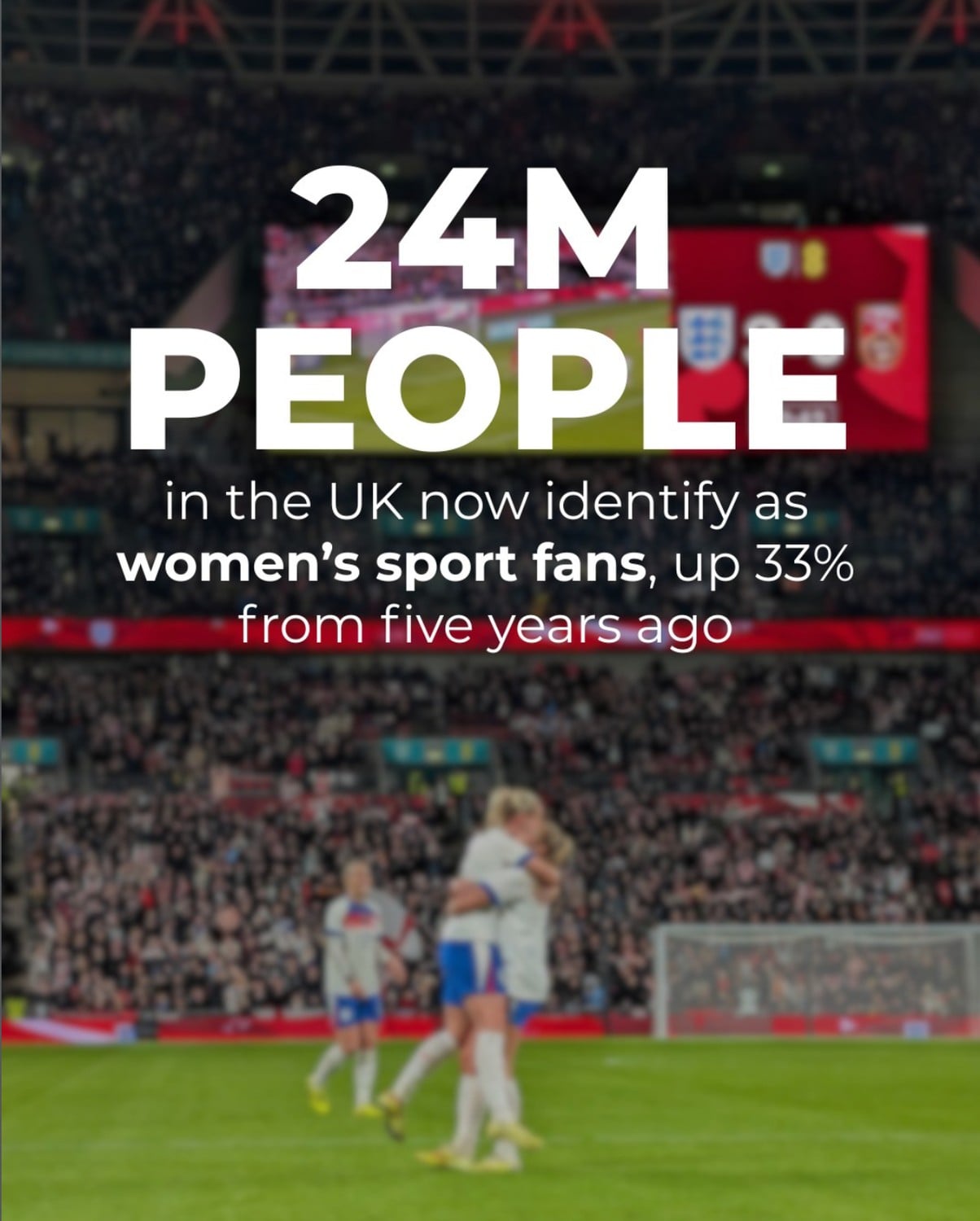
Los números siempre conducen a mayores inversiones, y el crecimiento es visible en América del Norte y Europa, pero aún no es lo suficientemente sostenible. Como señalan los expertos, el deporte femenino no debe ser una inversión de un año, sino un capital de riesgo que ayude a su desarrollo general. Teniendo en cuenta el potencial que es evidente aquí, esperamos ver tal cambio en breve.
Tendencia n.º 3: De plataformas alquiladas a comunidades propias
Más del 65% de las personas que practican deportes de forma no profesional comparten sus actividades en línea. Muchos más ven y comentan deportes en línea. Los Juegos Olímpicos de 2024 fueron un estudio de caso perfecto y transformador, con TikTok convirtiéndose en el centro de comentarios no oficial. El centro de TikTok de la EURO 2024 mostró que las reacciones de los aficionados, los dúos y los vídeos explicativos a menudo superaban a los clips oficiales. Muchas plataformas, clubes y empresas adoptan estas tendencias y construyen sus propias comunidades, no para entregar sus audiencias a TikTok, sino para trabajar con ellas directamente mientras recopilan datos de primera mano.
La activación "Social Screen" de Heineken permitió a los aficionados en Sudáfrica sincronizar sus teléfonos para formar una pantalla colectiva gigante durante un evento de la UEFA Champions League. La Ligue 1 lanzó la aplicación Ligue 1+. Los representantes de La Liga destacan que necesitan a sus aficionados y no quieren perderlos en YouTube o en otros lugares. Utilizan desde enfoques de segunda pantalla hasta recomendaciones personalizadas basadas en datos para reunir a todos sus aficionados dentro de su propia infraestructura y permitirles hablar y discutir todo internamente.
Tendencia n.º 4: Visualización social
Esta tendencia es un complemento obvio de la anterior: si la gente quiere comentar y conectar, quiere ver deportes juntos. La audiencia deportiva es la más adecuada para la experiencia de co-visualización: los aficionados están destinados a ver los partidos juntos en el estadio, y no es una idea nueva transformar la experiencia digital en el estadio digital. Por lo tanto, esta tendencia no es nueva, pero sigue siendo bastante popular; el año pasado, Joshua Barnett, de After Party Studios, presentó en SVG Europe nuevos enfoques para la co-visualización deportiva y lo importante, aunque desafiante, que es conectar con audiencias internacionales en estos eventos.
Este año, la Fórmula 1 compartió que continúan con sus "watch parties", que combinan transmisiones en vivo con una atmósfera comunitaria de alta energía. La experiencia del aficionado es mucho más emocionante en comparación con ver las carreras desde casa.
La NBA, la NFL, la NHL y otras grandes ligas organizan eventos similares. Y, por supuesto, la mencionada experiencia de segunda pantalla es el núcleo de las "watch parties". La gente quiere ver y comentar, por lo que, gracias a esta idea, hacen ambas cosas al mismo tiempo.
Tendencia n.º 5: Sedes "phygital": entre el estadio y el hogar
Comencemos explicando qué son los deportes "phygital". Como sugiere el término y afirma la Phygital World Community, combina actividades físicas con sus contrapartes digitales para crear experiencias híbridas atractivas e inmersivas para los participantes y espectadores. Actualmente, el WPC supervisa cuatro disciplinas principales de clasificación: fútbol phygital, baloncesto phygital, baile phygital y shooter phygital. También hay varias disciplinas sin clasificación. Por ejemplo, el fútbol phygital combina el fútbol físico con la tecnología digital para crear una experiencia híbrida.
Los estadios que apoyan esta idea ya no son solo sedes físicas o plataformas digitales. Se han convertido en centros digitales donde la presencia física se fusiona con experiencias virtuales.
El Intuit Dome, una nueva arena de baloncesto y hogar de Los Angeles Clippers de la NBA, ilustra esta tendencia a la perfección. Cuenta con un marcador envolvente de alta definición que muestra tanto la acción del juego como las estadísticas clave de los jugadores. ¿Quieres saber qué jugador tiene más puntos? Listo. ¿Quién lidera en rebotes, asistencias y porcentaje de tiros de campo? ¿Qué tal la altura, la envergadura, los promedios de puntos de carrera y más de un jugador? Los aficionados pueden verlo todo directamente en la pantalla.
Tendencia n.º 6: Monetización de la participación de los aficionados
Las ligas y clubes deportivos están creando nuevos canales de ingresos más allá de la venta de entradas y mercancía. Con los aficionados exigiendo experiencias más interactivas, los clubes buscan oportunidades para sacar provecho satisfaciendo esta demanda. Las ligas ahora ofrecen sus propias aplicaciones de streaming, brindando a los suscriptores contenido exclusivo que no se transmite por televisión, como la aplicación de la NBA con contenido personalizado. Las tiendas en línea que venden ropa de marca exclusiva están integradas en la transmisión en vivo, lo que incita a los aficionados a comprar mercancía mientras experimentan los partidos en vivo. Los estadios cuentan con simuladores deportivos para generar ingresos durante todo el año. Hay muchas más vías para que los clubes generen ingresos, centradas en experiencias innovadoras para los aficionados. Y, por supuesto, los juegos de fantasía, que permiten a los usuarios combinar sus equipos y ligas perfectas, ahora disponibles en casi todas las aplicaciones y sitios web de clubes y ligas.
La gamificación se utiliza ampliamente como una gran oportunidad de monetización. Las marcas deportivas, a menudo inspiradas en los videojuegos, añaden varias formas para que los usuarios ganen recompensas. La aplicación de la UEFA demuestra esta tendencia a la perfección. Los usuarios participan en ligas de fútbol de fantasía basadas en el rendimiento de los jugadores reales y compiten para ganar torneos. Los aficionados ponen a prueba sus conocimientos de fútbol en el "Quiz Arena" y comparan los resultados con sus amigos. Los jugadores pronostican los resultados de la competición y ven quién obtiene predicciones casi precisas. Estas mecánicas divertidas mantienen a los jugadores vinculados a la aplicación y al ecosistema de la UEFA. Cuanto más juegan en las ligas de fantasía, más se involucran con los partidos reales.
Tendencia n.º 7: ¡Por el bien común!
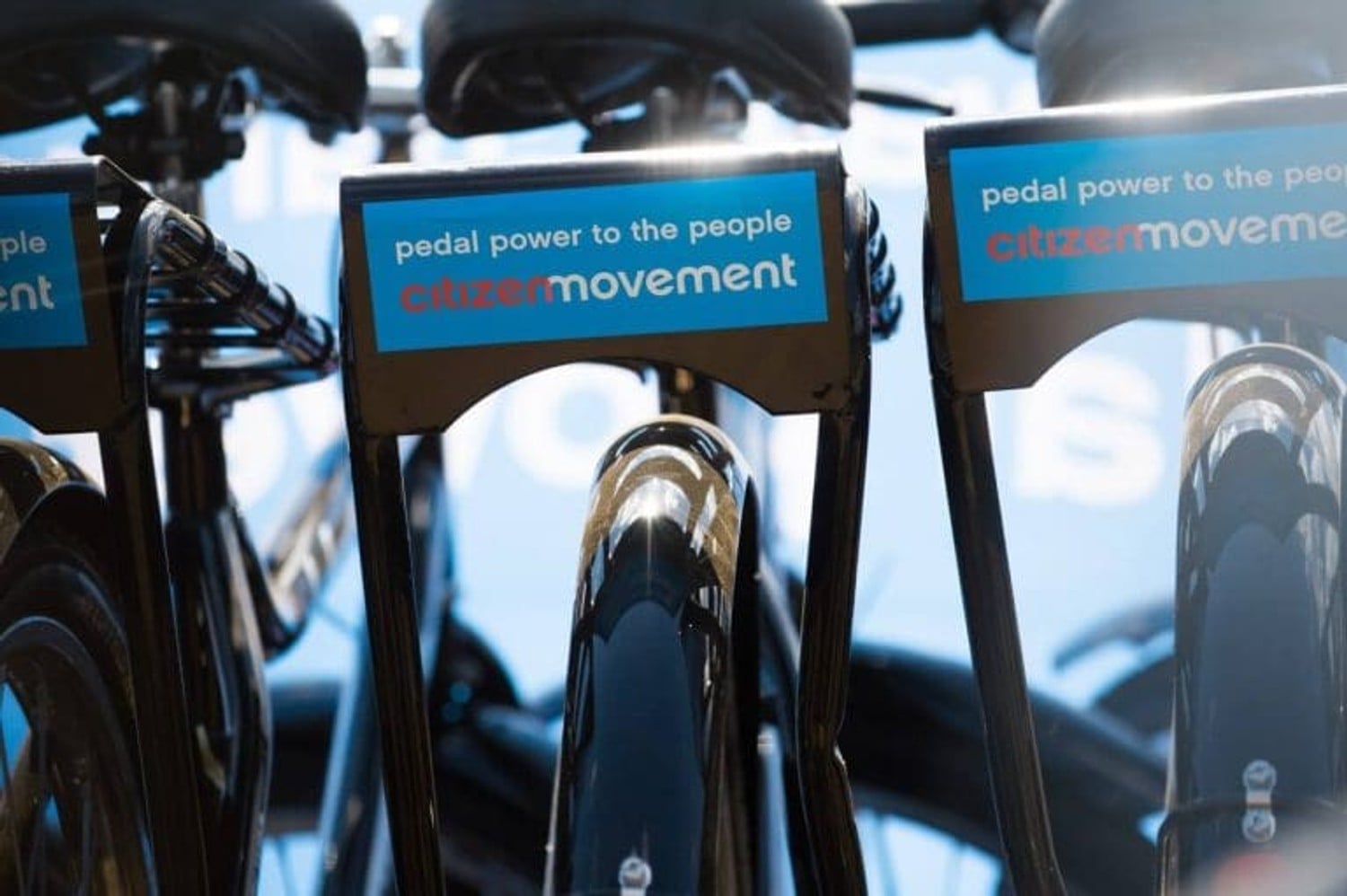
Hacer el bien era una idea millennial que ya no es tan relevante hoy en día, pero las marcas siguen intentando hacer el bien (¡y gracias por ello!). Esto sucede, como señaló Deloitte, porque quieren asociarse con un impacto positivo y desempeñar un papel en la participación comunitaria. Por otro lado, las organizaciones deportivas no comerciales, o incluso los clubes cuya marca está fuertemente asociada con un impacto positivo, pueden asociarse con empresas comerciales no deportivas, proporcionándoles este impacto positivo. Forbes comparte el ejemplo de World Bicycle Relief (WBR) asociándose con Buffalo Bicycles y la cadena hotelera global citizenM para apoyar soluciones de movilidad para comunidades desatendidas. Por supuesto, citizenM utilizó esto como una oportunidad para ampliar su base de clientes, pero se hizo un buen trato y todos se beneficiaron de ello.
Tendencia n.º 8: Los atletas como creadores
La economía de los creadores está en auge, con el tamaño del mercado de influencers creciendo de 1.700 millones de dólares en 2015 a 33.000 millones en 2025, según Statista. Este auge del marketing de influencers no cubre solo a los influencers convencionales de las redes sociales. Los atletas se han convertido en influencers por derecho propio, brindando a los aficionados contenido exclusivo detrás de escena y recomendando productos para impulsar las ventas.
Una recomendación del atleta adecuado puede aumentar masivamente las ventas de una marca, por lo que las empresas están dispuestas a comprometer grandes sumas para campañas de marketing de influencers con temática deportiva. A veces, las marcas contratan a todo el equipo para promocionar productos entre sus seguidores en redes sociales. En otros casos, los atletas individuales se asocian con una marca para promocionar sus productos. Algunos atletas han comenzado a construir sus propias marcas, como la cadena Blaze Pizza de LeBron James y la marca CR7 de Cristiano Ronaldo.
Para construir grandes seguidores, los atletas publican un flujo constante de contenido en sus páginas de redes sociales, desde conversaciones en el vestuario hasta entrevistas, actividades personales y eventos de unión de equipo. Este contenido construye vínculos más estrechos entre los jugadores y los aficionados, y los aficionados se vuelven más dispuestos a seguir las recomendaciones de los jugadores.
De los conocimientos a la acción
Con Watchers, puedes seguir muchas de las principales tendencias deportivas: ser dueño de tu comunidad de aficionados, trabajar con influencers directamente en tu plataforma o sitio web y brindar a tu audiencia una experiencia de co-visualización. Somos expertos en la construcción de comunidades, y las comunidades deportivas solo esperan ser construidas o desarrolladas. Reserva una reunión con nosotros para obtener información sobre esto y discutir cómo puedes elevar tu marca y conectar más estrechamente con los aficionados al deporte.
Preguntas frecuentes sobre las tendencias de la industria deportiva 2026
¿Cuáles son las tendencias tecnológicas deportivas más importantes en 2026?
Las herramientas de IA utilizadas para operaciones, programación de partidos y experiencias personalizadas para los aficionados pueden considerarse la tecnología más importante y de más rápido crecimiento este año y una de las principales tendencias del mercado.
¿Por qué las marcas deportivas deberían trasladar a los aficionados de Discord o TikTok a sus propias plataformas?
Trasladar a los aficionados de plataformas de terceros como Discord al sitio web o la aplicación de la empresa brinda más control sobre los datos de participación de la comunidad y permite la interacción directa con ella. Los aficionados también disfrutan de una experiencia fluida cuando acceden al contenido e interactúan en la misma aplicación en lugar de hacer malabares con múltiples herramientas.
¿Cómo mejora la IA la participación de los aficionados en 2026?
La IA permite a los clubes crear contenido personalizado basado en el comportamiento de cada aficionado dentro de la aplicación. Las herramientas de IA analizan los datos de los jugadores y generan información única para los aficionados, manteniéndolos comprometidos en la aplicación. La IA también ayuda a los aficionados a mantenerse actualizados con estadísticas y noticias deportivas durante el partido. El futuro del deporte depende en gran medida de los avances de la IA que ofrecen contenido personalizado y mejoran la participación para los equipos y las ligas.
Referencias y fuentes
2026 Global Sports Industry Outlook | Deloitte
AI AND COMPUTER VISION IN FOOTBALL: HOW ANALYTICS IS CHANGING THE GAME | Barça Innovation Hub
WNBA Smashes ESPN Viewership Records Throughout 2025 Season | Only Women's Sports
NBA and AWS announce new multi-year partnership to power the next era of basketball innovation | NBA Inside the Game
How Heated Rivalry sparked boom in ice hockey ticket sales | Independent
Caitlin Clark, Angel Reese help Indiana Fever vs. Chicago Sky game break viewership record | Hawk Central
L.A. Clippers hope fancy new Intuit Dome will help them challenge Lakers' fandom supremacy | NBCNews
Statista. (2025, November 19). Global influencer marketing value 2015-2025. | Statista
WNBA hopes to cash in on rising popularity with media rights reevaluation after 2028 season | CNBC
NBA Invests in Startup Using AI to Make Scheduling Games Easier | Bloomberg
The Premier League transforms the fan experience with AI | CIO
Impulsa tu plataforma con
Herramientas integradas de Watchers para una interacción definitiva


