Scales And Sales: What Is User Engagement And Why Does It Matter
Let's dive into user engagement: why do you need the growth of this metric much more on your app than on your Instagram or X account, and how to increase it significantly using the best practices from various domains.



Let’s start with the beginning: user engagement is a metric that shows the positive aspect of people’s interactions with online apps or media. Measuring it is critical to understand whether the platform is able to engage users successfully. This means that in the long run, it will retain them.
User engagement is a metric which, among others, helps platforms (websites or applications) to estimate the quality of the UX. Engagement shows users' willingness to interact with the platform in the future, better than many other metrics. In the competitive market, it can be pretty essential to see the curve. What is no less critical: user engagement level helps algorithms realise which users want to get your brand as recommended.
What is the User Engagement Scale
As user engagement (UE) is so crucial, we definitely need to measure and analyse it. The classic UE scale includes three dozen items describing as broadly as possible the interaction between users and the brand. It includes, for instance, perceived usability (whether users find the platform, service, or product convenient), aesthetic appeal, experienced involvement, etc. This scale can be changed and adapted for the brand and company goals. Yet, the general point is in the comprehensive description of the meaningful interaction between the user and the brand.
User engagement is often included in the brand and launch strategy as one of the primary metrics. It is especially relevant for entertaining brands. Recently, when Sony shut down its game “Destiny 2”, they explained this decision not only because of the low sales rate, but also due to low user engagement.
Can engagement be a bad thing?
When it comes to social media, user engagement can be a bad or meaningless thing, especially today. When brands focus on user engagement built on social media, it can play against them. Let’s imagine a small vintage store which leads its Instagram account well, having a massive base of followers and a high engagement rate with comments, likes, and reposts. But these commenting users will never become customers if the brand doesn't scale, and more than that, they may not even visit the store website. User engagement on social media is a pretty inner thing, which cannot be transformed into real value without a fundamental business transformation. So there are two ways: to transform the business and start to sell things through Instagram, or to try moving all these active users to the website. You cannot use the first option if your business is fully digital, and you need your users to visit your initial platform to maintain its profitability.
User engagement can affect a brand in a negative way, also when users are not satisfied with the brand itself or with its social media content. This case requires significant time to manage such feedback because every negative comment has to be covered, even if a user mixed your account with another brand.
In the end, as The New Yorker's author noted recently, a vast social media audience now can mean nothing in terms of human enthusiasm. Your social media followers can just scroll through reels or comment on the video, but never be connected with your brand, because now more than ever, algorithms decide what SM users see in their feeds.
How to measure user engagement?
Because user engagement is a broad term which varies for different domains, the platforms can measure it in various ways, but the main metrics that can help almost all companies to estimate how engagement is going are session length and time spent, regularity of interactions, and, in the end, platform stickiness.
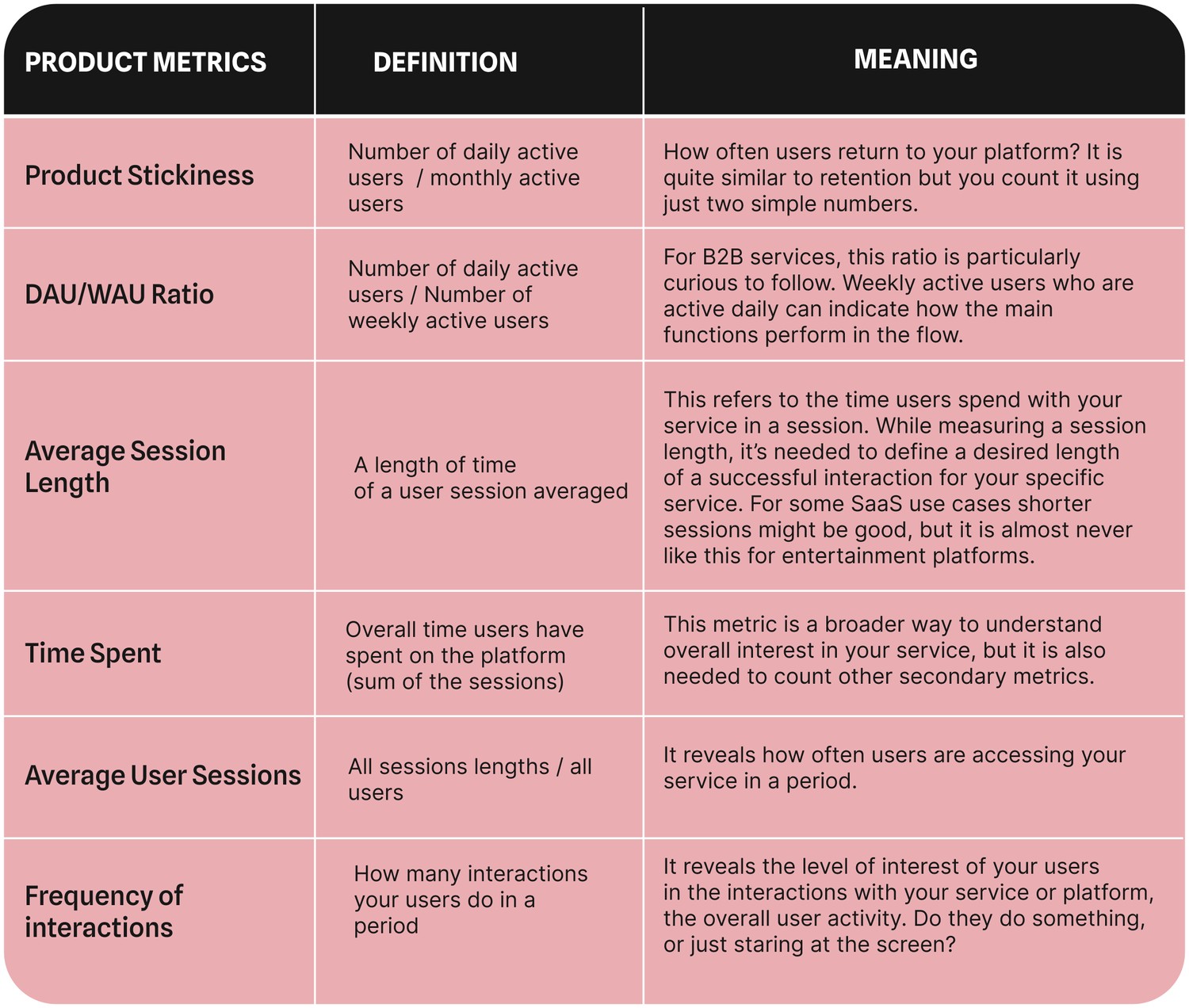
How to drive practical user engagement?
Above, in the quote above, the Sony representative meant not social media engagement but engagement inside the game. For video games, in-app engagement has been a crucial measure for a long time, but now, it is becoming similar for other entertaining platforms. In-app engagement includes all user interactions with the platform and mirrors the depth of user interest in the brand.
We assume that your service is engaging enough, and don't give advice on your business. Still, you can use various tools to increase this metric and link your audience to the brand more.
Gamification
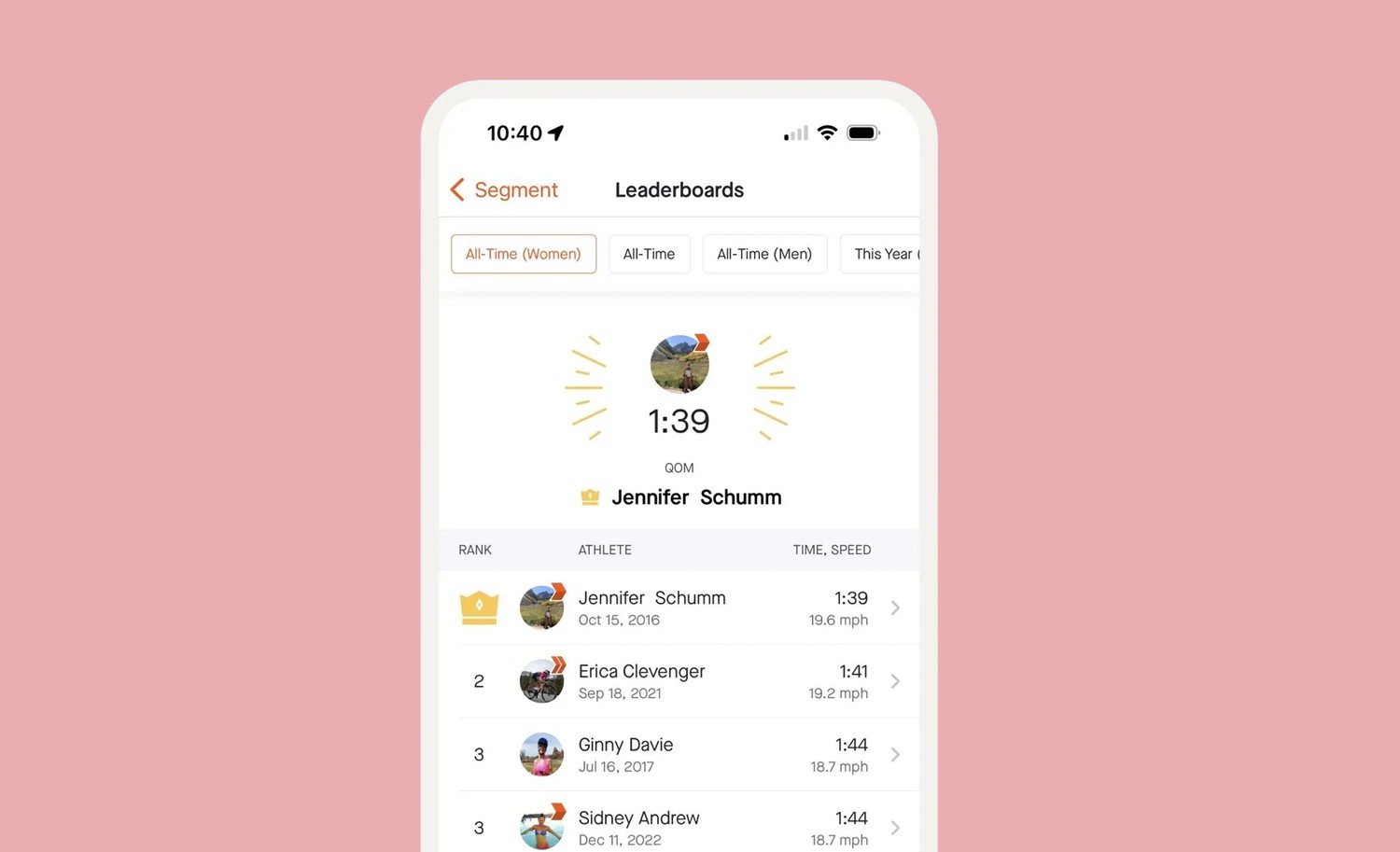
Gamification elements play a vital role in all types of apps, including non-gaming ones. When users unlock the following gamification element, it provides them with a feeling of mastery and high competence. This thereby stimulates natural motivation, encouraging a more enjoyable app experience. Usually, gamification includes different ranges, rates, tiers, and levels of usage. Sometimes, they also open some additional opportunities for users. Often, they can not even be used for any profit, like badges on Duolingo: they don’t open any additional lessons, but they force users to keep going. While users work for them, they spend more time on the app.
Statista shared that educational platforms take third place among those which use in-app gamification more often. The first is, of course, gaming. Interesting that the second place goes to the business and financial platforms (like Mint, Bitazza, Revolut, and other examples). Regardless of whether this is a more serious domain, gamification works perfectly as an additional motivation for users. This approach is pretty popular for fitness and wellness apps (Fitbit, Headspace, Strava, Urban Sports Club and many more). Their audience is highly competitive, and also sometimes faces a lack of motivation. When, for example, they can’t achieve fast results. When it happens, the achievement of a high rating star logo can become the needed pinch of species.
Feedback
Polls, surveys, and questionnaires allow users to share their feedback on the app, platform, specific feature, or content. Also, they can be used just to stay connected with users and to get to know what they like, what they wish, or what their mood is. For this, welcome surveys work perfectly: like on Shopify or Netflix, you get to know your users, get valuable data, bond them to the recommendation system, and engage them because they like to share their interests playfully. People enjoy participating in surveys, and brands can use this specificity of users to get more data or to improve the platform or service. Most apps use the results of app-rating surveys for the development needs, as well as most-purchase surveys. Making surveys friendly and full of fans allows them to achieve better UX, grow user loyalty and of course, user engagement in general.
Contests
It is another way to bond users to the platform with additional motivation. Quizzes and giveaways keep users engaged not in the short term but activate their competitiveness, stickiness to the brand and, in the end, loyalty. Often, the possibility of winning a prize is enough to grow curiosity and interest in the brand. As a recently conducted statistical analysis shows, the intention to join online contests is connected with the overall positive user experience of customers. Users will be less likely to participate in a competition if they are not satisfied with your service. Still, if they are, the participation increases their positive experience and influences general user behaviour.
P2P communication
Engagement drives conversions; conversions drive engagement. Internal p2p (person-to-person) communication can increase monthly retention by 15-20% and recurrent revenue by 20%. This interconnection is vital to remember when you just start to work with engagement metrics. When your users have topics to discuss, your engagement grows. This stimulates convo development, and engagement heightens even more. So if you plan to raise user engagement internally, you need to think about where and how to place the chats, comments, or forums, and what type of dialogue will be more valuable. You can look through a guide where the best live chat solutions are presented, and find which one suits the needed domain and goals the most.
***
While growing user engagement, platform managers should keep in mind that more engagement does not automatically generate more value. It is always crucial to remember what the perfect result is for your specific service, what the benchmark is for your domain. If you do everything right, engagement will assist your sales and drive your overall business without any dependency on external social media.
Grow user engagement with Watchers
If you want to break a social media addiction of your brand and grow user engagement that will help you increase your main business metrics, book a demo call with the Watchers product team. We will help you grow long-term user engagement with no external app usage.
Frequently asked questions
How do you define user engagement?
In short, user engagement is a metric that shows the depth of users’ interaction with apps, media, or any other platform. It helps estimate the quality of the UX and user interest in its usage.
Why is user engagement important?
Because if it is low or absent, that means users are not interested in your content or don’t find your platform comfortable. If you have considerable traffic but low engagement, you need to make significant changes in the user journey.
What are examples of user engagement?
On social media, the Engagement Rate counts likes, shares, comments, and other interactions. On educational apps, engagement includes session length, return frequency, and interactions with lessons. On fitness apps, engagement involves challenges, leaderboards, and time spent training.
Sources
- Measuring User Engagement | Synthesis Lectures on Information Concepts Retrieval and Services
- User Engagement and Beyond: A Conceptual Framework for Engagement in Information Systems Research | Communications of the Association for Information Systems
- Driving Mobile App User Engagement Through Gamification | American Marketing Association
- Why User Engagement Isn’t Always A Good Thing On Social Media | Forbes
- Sony Says Destiny 2 ‘Sales And User Engagement’ Haven’t Met Its Goals | Forbes
- It’s Cool to Have No Followers Now | The New Yorker
- The Comparative Effect of Immediate and Delayed Feedback on EFL Learners' Engagement and Willingness to Collaborate | PsyJournal
- Competitive Advantage Through Engagement | Journal of Marketing Research
- The Impact of Quizzing on Student Engagement in Online Learning | International Journal of Innovative Science and Research Technology
- Why are fitness and workout apps so crucially in need of in-app communities? | Watchers
Boost your platform with
Watchers embedded tools for ultimate engagement


