Gen Alpha Sports Fans: How They Are Shaping Sports Today
Gen Alpha is growing up in a more mobile, gamified environment, reshaping digital sports fandom. Their habits and behaviour related to consuming sports content are defining how clubs and platforms will move to capture their attention, keep them engaged, and build lasting loyalty. After all, these people will be the main content consumers for the following decades.


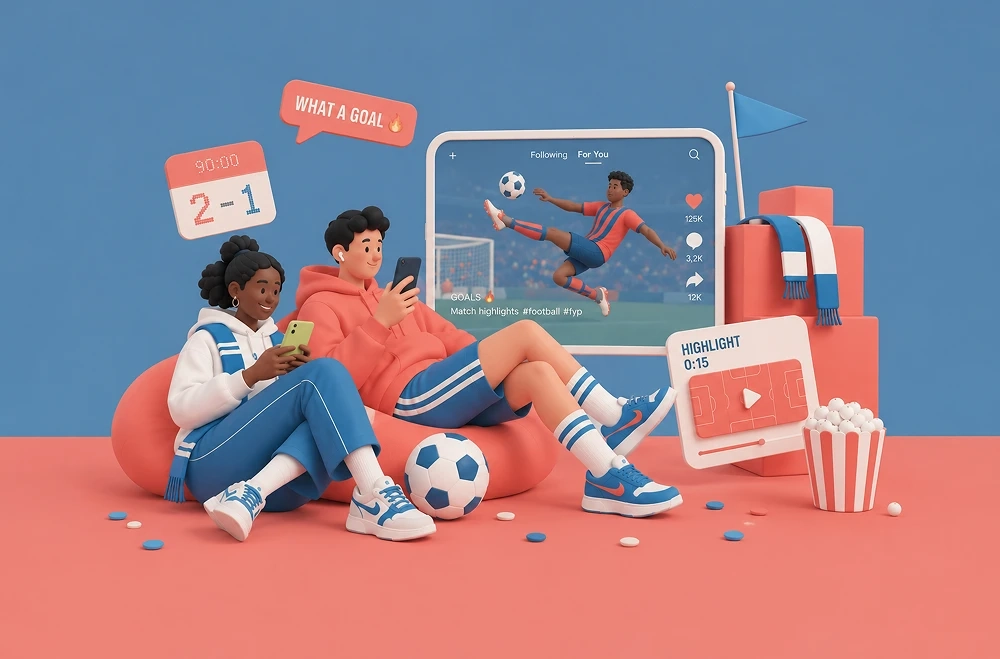
The sports industry and fandom look very different today from what they did a few decades ago. Gen Z, for example, has reshaped sports fandom through how they consume sports content compared to older generations. They expect highly interactive experiences, even while watching live games. But Gen Z is no longer the youngest sports audience.
Gen Alpha, which is children born between 2010 and 2024, is growing up in an even more mobile, gamified environment, once again reshaping digital sports fandom. Their habits and behaviour related to consuming sports content are defining how sports clubs and platforms must move to capture their attention, keep them engaged, and build long-term loyalty.
Why sports brands are starting to look beyond Gen Z
For most of the last decade, "the next generation of fans" meant Gen Z. Sports brands and platforms were constantly shaping their strategies around Gen Z fans’ demands and behaviours. While they still form a major portion of the target audience, sports clubs, leagues, platforms, and media organisations now also need to understand how the next generation of fans, which is Gen Alpha, is likely to behave.
Many Generation Alpha children are now reaching the age where they become interested in sports at some level. A study by Morning Consult among parents of children under 11 found that the NFL is already Gen Alpha's favourite league by a wide margin, with 50% of the parents saying their child is a fan of the league. The same research also found that around 60% of parents said they have watched a sporting event together with their youngest child.
How well sports clubs and leagues make use of this early window defines whether these Gen Alpha consumers will turn into loyal fans as they grow up. Sports data consultancy Two Circles, which works with clients including the NFL, the Premier League, and UEFA, has found that around 50% of sports fandoms are formed by age 14, but as many as 90% fade before age 30 because of changes in life.
Clubs, leagues, and broadcasters can no longer treat childhood fandom as a side project; it is where lifetime value is built and where it is most easily lost if the relationship isn't built carefully. That’s why many leagues and clubs are now focusing on Gen Alpha.
For example, the NHL intentionally maintains a youth advisory board consisting of fans aged 13 to 17 years to hear directly from younger fans rather than assuming their behaviour mirrors older generations. According to Heidi Browning, chief marketing officer of the NHL, younger audiences “aren’t just younger versions” of existing fans; they consume and engage with sports in fundamentally different ways. MLB's chief marketing officer, Uzma Rawn Dowler, also described a similar shift, saying that the tactics that worked two or three years ago already need updating as consumption habits keep changing.
Many football clubs are also investing in youth development programs to engage younger audiences and build long-term relationships with them. For example, Juventus has an extensive global infrastructure for youth programs that goes beyond talent identification. Through the Juventus Academy, the club engages children worldwide from an early age, offering educational training as well as teaching and development of football skills.
What did Gen Z change in sports fandom
The way Gen Z consumes live sports and sports content has significantly changed sports fandom. They have made sports fandom digital-first in a way earlier generations never did:
- Highlight clips are now as important as live matches for casual engagement.
- Social platforms have become a key discovery channel rather than a supplement to TV.
Perspectives about athletes are shaped as much by their personality and content output as by their performance.
According to Deloitte's Sports Fan Insights survey of more than 3,000 US fans, while 71% of all fans say a live sporting event is still their favourite type of sports content, that share drops to just 58% among Gen Zers and millennial fans, who round out their viewing with highlights, clips, and sports-related social media video instead.
The same survey also found that almost all Gen Z fans use social media to interact with sports content in some form, and around 80% follow a professional athlete online, which goes on to shape whether they watch a game, attend one in person, or buy a product the athlete promotes.
Another recent study by Deloitte found that around 70% of Gen Z and millennial fans consume content on multiple platforms, including streaming, social media, and live events. The same study also revealed that 46% of fans want content from creators, such as influencers and fan channels, and 46% are more likely to engage with content recommended by their community.
An IBM survey also found that 37% want post-event highlights, and 32% want player interviews to stay connected to their favourite team.
Gen Zers have basically shifted toward multi-platform consumption. But beyond that, they also want more interactive features, such as AI-powered sports commentary, access to live statistics, and features like live chat, polls, fan rooms, and post-match discussions. According to LaLiga Tech and Nielsen 360 Fan Engagement Report, 55% of Gen Zers want to see and engage with live statistics during a live match. Over 50% of fans now expect AI-powered insights and sports commentary for sports matches, according to the IBM survey mentioned earlier.
Why Gen Alpha is not just a younger version of Gen Z
Gen Alpha is usually treated as a similar but younger version of Gen Z, but the habits and behaviour of these two generations have differences.
For both generations, smartphones, tablets, and algorithmic video feeds are a part of their everyday life. While Gen Z was the first digital native generation, they still witnessed a transition from traditional media consumption to digital platforms.
Gen Alpha, on the other hand, was born into a digital world where short-form videos, gamified experiences, live streaming, and constant online social interaction are everywhere. According to eMarketer's Gen Alpha Digital Habits 2026 report, 22% of Gen Alphas are expected to use social media in 2026, compared with just 10.9% of Gen Zers at the same age. That means today's Gen Alpha kids are roughly twice as likely to be on social platforms at a comparable age as Gen Z was.
Common Sense Media's 2025 Census found that 51% of US children aged eight or younger already have a mobile device, up from 45% in 2017. It also revealed that around 40% of the children own a tablet by the time they are two years old.
Ofcom’s research also shows that digital devices are now a major part of children’s daily lives, with almost all (99%) 8-17-year-old children online and most (78%) having their own mobile phone. This constant online access defines how sport enters their lives in the first place: through gaming, YouTube, highlights, memes, and creator commentary.
Sport is now competing directly with gaming and general entertainment for attention among Gen Alpha audiences, and it does not always win outright. Morning Consult's research on Gen Alpha found that interest in watching professional sports ranked below watching TV or movies, arts and crafts, and playing video games. However, the same survey found that around 67% of parents said their youngest child is interested in playing sports themselves. That is both an opportunity and a challenge for sports clubs and leagues to capture Gen Alphas' attention and convert them into loyal fans as they grow.
How Gen Alpha may experience sport differently
Gen Alpha is showing early signs of engaging with sport more broadly than through the live match itself. Alongside (or even instead of) watching a live sports match, many kids in this cohort are discovering athletes and teams through short clips, memes, online challenges, and video games.
According to Common Sense Media's 2025 Census, young kids (ages 0–8) spend about two and a half hours a day on screens, but how they use that time is changing. Gaming has grown a lot, up 65% in just four years. A Gamefam industry report also found that Gen Z and Gen Alpha players spend an average of 2.7 hours a day on Roblox, more time than they spend on TikTok, Instagram, or YouTube individually.
FIFA’s investment in gaming platforms shows how sports organisations are catering to younger audiences. FIFA launched FIFA Super Soccer through its official partnership with Roblox, which is built on a game that already attracts around 9.5 million monthly users and generates over a million daily play sessions. These games include all 48 competing nations, stadium quests, and live standings tied to real matches.
Leagues such as the NFL and NBA are also focusing on persistent virtual worlds and gaming integrations. NFL provides an interactive experience through NFL Universe Football, allowing fans to play, customise avatars, and engage with the sport in a virtual environment. This way, younger fans can participate in games digitally rather than simply watching them. Athletes now also increasingly appear in games like Fortnite.
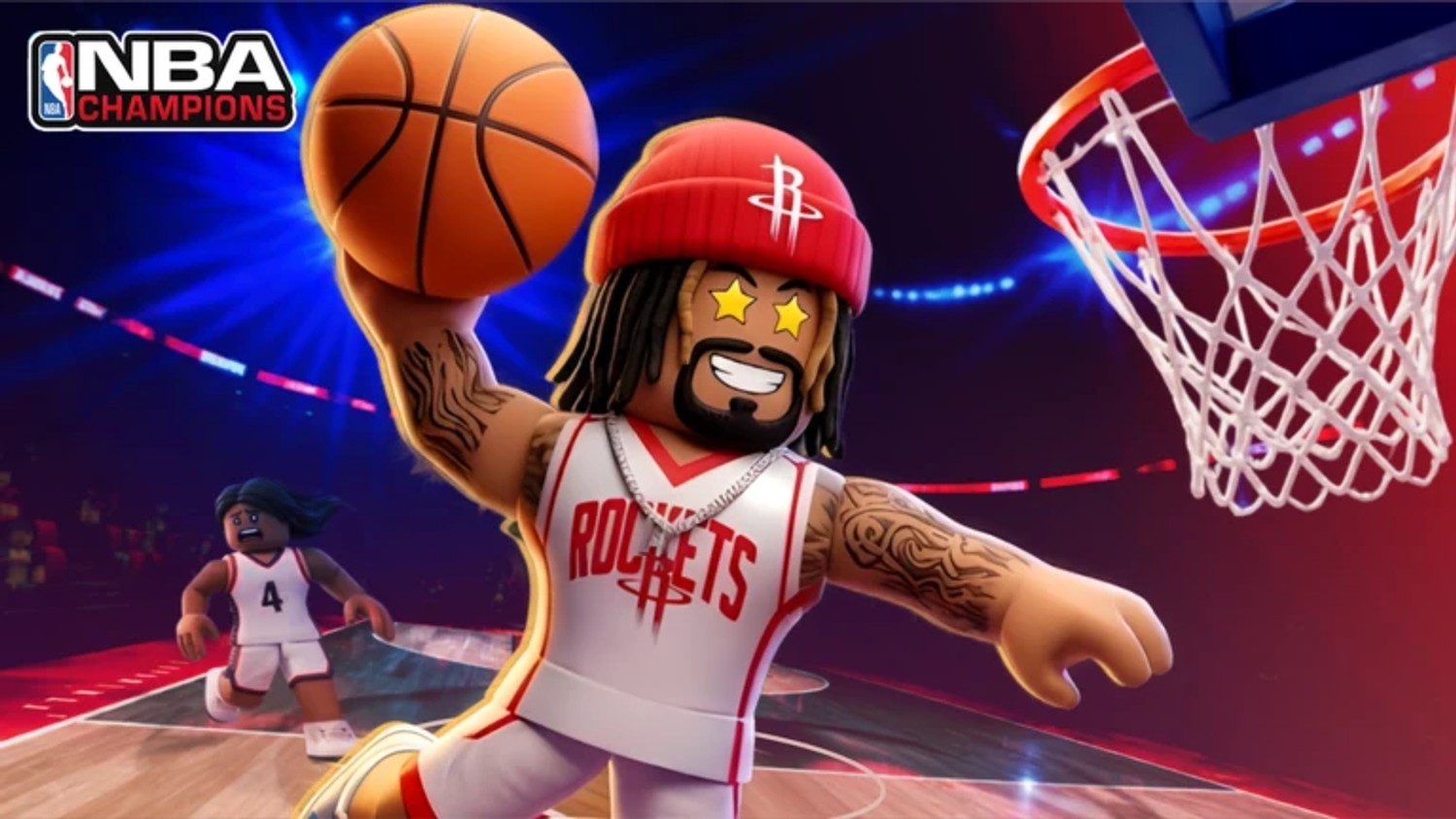
NBA also has NBA Champions Basketball on Roblox, reflecting how the league is expanding into interactive gaming environments popular with younger audiences. Alongside this, the league has developed its own in-house interactive experiences through NBA Play, a digital hub within the NBA app and website where fans can access daily games, test their knowledge, and engage with basketball content in a more participatory way.
But beyond gaming, a lot of Gen Alpha kids find sport-related content through YouTube creators and algorithm-based feeds that include highlights, memes, and creator commentary. Analyst firm eMarketer projects that 30.7 million US Gen Alpha viewers will use YouTube in 2026, reaching roughly two-thirds of the generation. This makes YouTube one of the biggest channels through which young fans could first encounter sport at all.
Common Sense Media's 2025 Census also found that short videos on platforms like YouTube Shorts, Instagram Reels, and TikTok are becoming more popular among children, with their average daily use increasing to 14 minutes compared to one minute in 2020.
To cater to these younger audiences, FIFA has partnered with TikTok for the FIFA World Cup 2026, giving creators behind-the-scenes access to the World Cup, including press conferences, bus arrivals, and training sessions. Twitch streamers have also effectively become the second, informal stadium, narrating matches live to an audience that may never turn on a traditional broadcast at all.
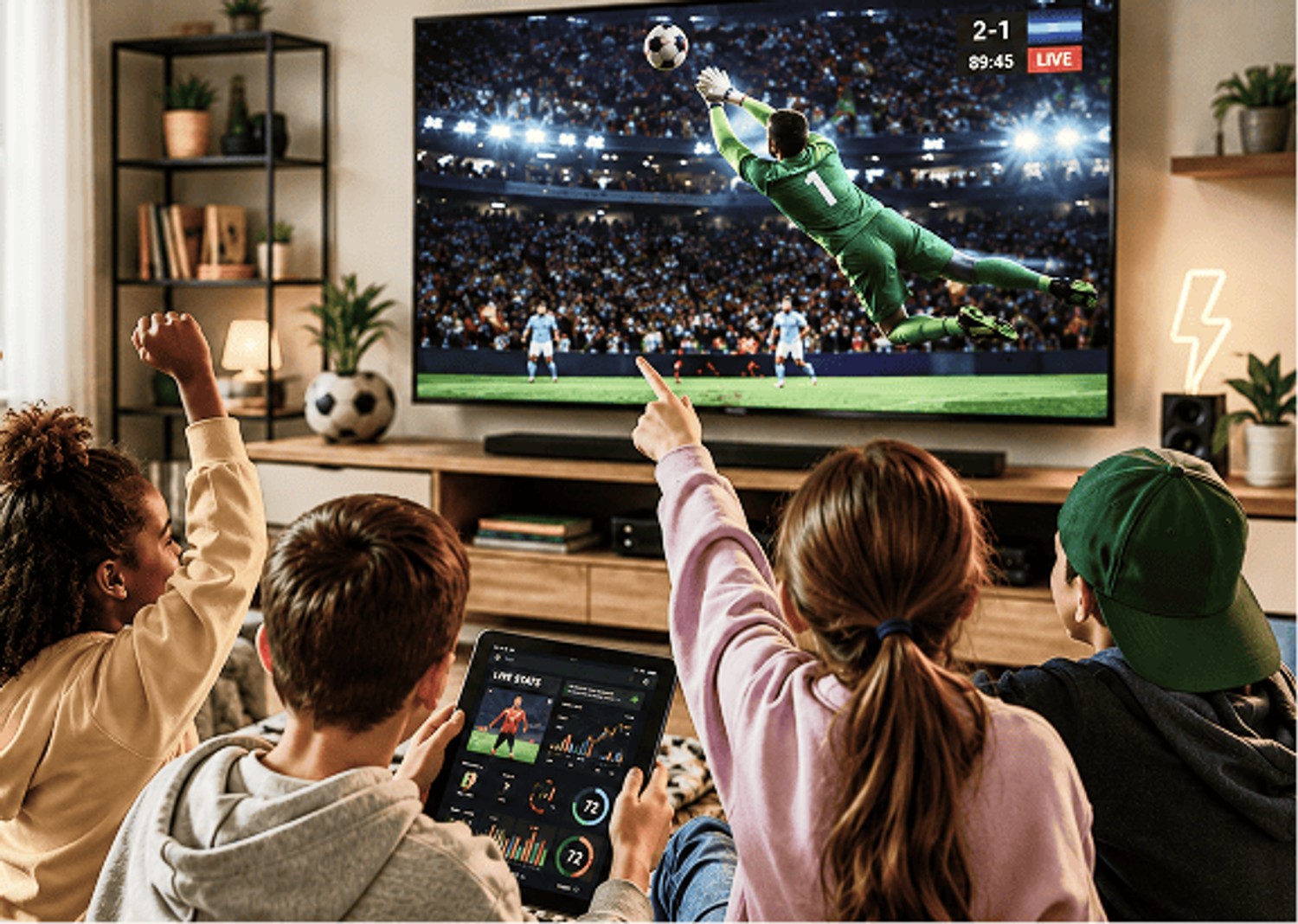
For younger audiences, sport is no longer consumed only through live broadcasts. Interactive environments are becoming an equally important entry point for engagement and fandom. But since Gen Alpha is still only partway through childhood, these are just emerging trends at the moment.
Why short-form sports content is only one part of the shift
Short-form video, highlights, and vertical clips are a great way to capture the attention of younger audiences. Platforms based on algorithmic feeds have made it easier than ever for Gen Z and even easier for Gen Alpha to discover sports through short moments, such as a viral goal, a highlight reel, or a player-led clip. But they are only part of a much broader fan experience.
Gen Alpha is growing up in a fully digital world where sports discovery, interaction, and participation are strongly connected. A PwC Gen Alpha 2026 survey found that:
- 68% of Gen Alpha regularly use YouTube
- 54% engage with gaming platforms
- Almost 50% use streaming services
These stats show how the younger generation finds and consumes sports-related content on various digital platforms instead of a single channel. These platforms are not just for watching. They offer interactive experiences through videos, chat, creators, and community features in one experience.
Social interaction is also strongly embedded in the behaviour of this younger generation. The same PwC study shows that 61% of Gen Alpha say social media influences what they want to buy, surpassing traditional channels like TV. This shows that content alone is not the key factor that influences their behaviour. The surrounding elements, such as creators, comments, trends, and peer influence, also play a central role.
In terms of sports, it means a game-changing moment during a live match, a highlight clip, or a viral sports clip may spark initial interest, but the younger generation’s natural instinct is to react, share, and discuss that moment with a community.
According to Deloitte’s 2023 sports fan insights, around half of Gen Z sports fans use social media while watching live events to read comments, react, and interact with others in real time. Another study by Deloitte found that 71% of sports fans participate in online communities, 57% interact with creators in the fandom, and half actively look for fan-created content. These stats are a clear sign of how fans continue the experience through discussion and shared content.
For younger generations, discovery and community are not competing forces. Instead, they are complementary elements.

Women's sport shows the same discovery-to-engagement trend. Gen Z's interest in women's sport jumped from 41% in 2022 to 52% by January 2025. A Nielsen's report also found that total women's sports viewing minutes increased by 71% between 2022 and 2025. Short clips and creator content are among the core reasons for much of this growth.
What can sports platforms propose for Gen Alpha fans
Sports platforms do not need to completely change everything at the moment, but there are practical features worth prioritising now:
- Live match chat and reactions: So fans can respond to a moment as it happens, not the next day
- Fan rooms or team-based communities: To give younger supporters a sense of belonging, similar to what they already get on Roblox or Discord
- Polls and quick Q&A: Quick ways for fans to participate beyond passive viewing
- Post-match discussion threads: To keep a moment alive even after a game ends
- Strong, age-appropriate moderation: Given how young some of this audience is and how quickly unmoderated chat can turn hostile
Sports platforms don’t need to chase every trend Gen Alpha shows interest in, but they need to build a lasting relationship with them by providing them ways to react, discuss, and come back before they go to external platforms.
Who Gen Alpha Is Inheriting: The Athletes Bridging Fandoms
Gen Z's favourite athletes give us the clearest signal of who Gen Alpha is likely to grow up idolising next, since younger siblings tend to absorb older siblings' heroes. In the most recent Morning Consult data, Gen Z's top picks are Simone Biles, Caitlin Clark, and Travis Kelce. An earlier ranking (measuring favourability toward named athletes rather than open-ended answers) had LeBron James and Stephen Curry tied at the top, with Kevin Durant, Lionel Messi, and Cristiano Ronaldo rounding out the top five. NBA players consistently make up more than half of Gen Z's top 10; basketball dominates youth fandom more than any other US sport.
The data above is about the US audiences, and for a UK and global audience, two more names matter: Erling Haaland and Kylian Mbappé. What makes them relevant here isn't a favourability score but how they've built young fanbases. Both are rated among the highest-overall players in EA Sports FC, meaning many Gen Alpha kids know them as avatars before watching them in a real football game. Haaland has also built a meme-friendly persona: his celebrations and interviews circulate as standalone clips and identify as Gen Alpha's default entry point into sport.
Put together, the pattern holds across continents: whether it's Clark and Kelce’s fandoms in the US, or Haaland and Mbappé doing it through gaming and social media in the UK and Europe, today's breakout athletes are winning young fans through games, memes, and personality, not broadcast.
FAQs about Gen Alpha sports fans
Who are Gen Alpha sports fans?
Gen Alpha sports fans are children and early teens, roughly born between 2010 and 2024, who are growing up as the generation with no memory of a pre-smartphone, pre-streaming world. Their sports fandom is being shaped by gaming platforms, YouTube, and short-form video as much as by live broadcasts.
How are Gen Alpha sports fans different from Gen Z sports fans?
Gen Alpha sports fans are reaching social media and gaming platforms earlier and in greater numbers than Gen Zers did at the same age. They are more likely to discover sport through games, avatars, and creator content than through a live match or a highlight reel alone.
How does Gen Alpha engage with sport?
Beyond watching, Gen Alpha engages with sport through gaming platforms like Roblox and Fortnite, short-form clips, memes, and online community discussion.
Why do sports apps need community features for younger fans?
Because the younger generation increasingly uses interactive, social platforms, which means watching alone isn't the best sports experience for them. Live chat, fan rooms, and moderated discussion give young sports fans somewhere to react and return to, so they don’t take the conversation outside the platform.
References
- Morning Consult: How Gen Alpha Feels About Sports
- Two Circles: Nurturing Lifelong Fandom
- Associated Press: Sports Leagues Race to Capture Gen Z and Gen Alpha With AI and Influencers
- Deloitte: 2023 Sports Fan Insights – The Beginning of the Immersive Sports Era
- Deloitte: 2026 Digital Media Trends
- IBM: Sports Fans Demand More Dynamic Digital Content, Powered by AI
- Nielsen and LaLiga Tech: Sports Fandom Is Increasing, Powered by New Digital Platforms
- eMarketer: Gen Alpha Digital Habits 2026
- Common Sense Media: The 2025 Common Sense Census – Media Use by Kids Zero to Eight
- Ofcom: Children's Online Experiences
- Gamefam: Roblox Boosts Player Engagement, Attracts More Major Brands
- FIFA: FIFA and Roblox Expand Partnership, Introducing FIFA Super Soccer
- eMarketer: Gen Alpha's Social Media Usage 2026
- FIFA and TikTok: Preferred Platform Agreement to Enhance Coverage of FIFA World Cup 2026
- PwC: Gen Alpha Survey Report
- Deloitte Digital: Social Media and Sports
- Nielsen: Women's Sports Top 10
Boost your platform with
Watchers embedded tools for ultimate engagement


